Xenoblade Chronicles 2 review
A thoughtful look at Monolith Soft's Driver-and-Blade RPG — from cloud-sea exploration to Switch 2 Edition enhancements.
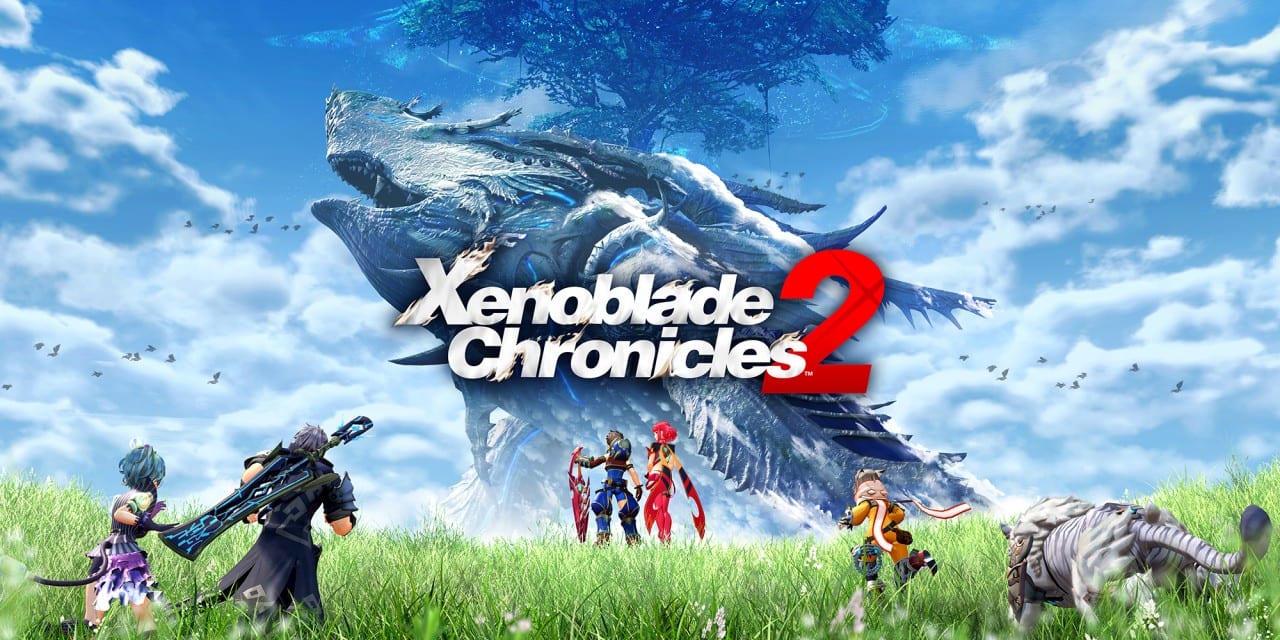
Xenoblade Chronicles 2 arrived on Nintendo Switch in 2017 as a bold sequel that traded the first game’s MMO-inspired openness for a more character-driven road trip across the cloud sea of Alrest. Nearly a decade later, it remains one of Switch’s defining RPGs — sprawling, uneven in pacing, emotionally loud, and mechanically deeper than its anime presentation suggests. This review reflects the full experience including Torna DLC and the 2024 Switch 2 Edition refresh, so you can decide whether to start fresh, replay, or skip ahead to Xenoblade Chronicles 3.
Story and characters
The narrative follows Rex, a salvager who becomes the Driver of Pyra, an Aegis tied to the legendary Artifice weapons. What begins as a treasure hunt for Elysium evolves into a geopolitical drama between nations riding on Titans — living continents that are slowly dying. Jin, Malos, and the Torna organization provide antagonists with motivations that pay off in long cutscenes some players love and others find exhausting.
Character writing leans into JRPG tropes: amnesia, tragic backstories, and frequent banter aboard the Titan battleship Azurda. Yet the Blade-Driver bond system reinforces themes of trust and symbiosis mechanically, not just in dialogue. Nia’s arc and the Mythra reveal remain standout moments that justify the hour-long cutscene investment for many fans. If you dislike lengthy voiced scenes, adjust expectations — XC2 is as much visual novel as action RPG in key chapters.
Side characters and Blade quests add texture. Optional Rare Blades like Ursula and Zenobia ship dedicated quest lines that humanize collectibles beyond stat sticks. Heart-to-Hearts between Drivers reward trust grinding with quiet character beats easy to miss if you rush the main path. For story order guidance without spoilers, see our Walkthrough.
Combat depth and systems
Combat asks you to manage three Drivers, each with three Blades, in real time. Auto-attacks build Driver Art recharge; arts apply combo stages, buffs, and aggro shifts; Blade Specials and Chain Attacks deliver burst damage. The learning curve spikes mid-game when enemy resistances and topple immunity force party reconfiguration. Players who engage with Driver Combos, element orbs, and Fusion Combos find a system rivaling contemporaries in mechanical ceiling.
The flip side is complexity without always teaching it well. Tutorials introduce basics then vanish before explaining aggro, Blade cooldown swaps, and Poppi’s artificial Blade mechanics. XC2 rewards curiosity — wiki readers and guide followers outperform players who only mash Specials. Our Controls guide and combo cheatsheet exist because the in-game glossary stops early.
Difficulty spikes appear around Chapter 7 and certain boss walls unless you engage with auxiliary systems: Core Chip grids, accessory tuning, and overleveling through side quests. The game is fair but opaque. Builds matter more than raw reflexes once you understand stagger windows. For party templates, visit the Builds hub.
Exploration and world design
Alrest is a vertical ocean of clouds where civilizations live on Titan backs. Each region — Gormott’s lush plains, Mor Ardain’s industrial furnaces, Uraya’s bioluminescent caverns — feels distinct in art direction and music. Exploration uses a compass and landmark fast travel unlocked through story progression and field skills from Rare Blades. Unlike Xenoblade Chronicles 1’s contiguous landscapes, XC2 segmenting can feel corridor-like between chapters, but individual zones reward thorough collection.
Salvaging in the cloud sea, climbing with Grapple points, and unlocking skip travel anchors give purposeful side activities. Tiger! Tiger! is a mandatory minigame detour some players adore as a break and others tolerate for Poppi parts. The world never reaches Breath of the Wild scale, but density of secrets, elite monsters, and named tyrants supports post-game for dozens of hours.
Soundtrack and presentation
Yasunori Mitsuda and ACE contribute tracks that range from bombastic battle themes to melancholy Titan wandering melodies. “Counterattack” became a fan anthem for good reason — it sells the hype of Driver transformations. Voice acting is fully voiced in key scenes with mixed quality; English performances grow on many players after the awkward early hours.
Visually, XC2 targets stylized anime aesthetics with dynamic lighting on Switch hardware that struggled in portable mode on original hardware. Character models excel; environmental draw distance less so. The art direction ages well because it commits to a cohesive look rather than realism.
Switch 1 versus Switch 2 Edition
The original Switch release ran at variable resolution with 30 fps targets in many battles and noticeable slowdown in crowded areas. Switch 2 Edition upgrades include up to 4K output when docked, 60 fps combat on supported hardware, faster load times, and quality-of-life features grouped under MOMO — menu shortcuts, improved UI navigation, and Merc Assault, a combat-focused mode for grinding without story repetition.
Save migration means veterans can continue collections and Blade rosters without restarting. New players should consider starting on Switch 2 if they own the hardware — the smoother frame rate materially improves combo execution and timing-sensitive Chain Attacks. Read our dedicated Switch 2 Edition guide for feature breakdowns and transfer steps.
Merc Assault alone does not justify rebuying for everyone, but bundled with 4K and 60 fps it is the definitive console version. Handheld players still benefit from stability even if pixel density changes are modest compared to docked output.
Who should play Xenoblade Chronicles 2
Play XC2 if you want a long, character-focused JRPG with real-time party combat and a collectible Blade meta-game. Skip or defer if you dislike long cutscenes, find RNG Blade gating frustrating, or prefer fully open worlds without chapter gating. Xenoblade Chronicles 1 fans should enjoy lore connections but need not finish XC1 first. Fire Emblem or Persona players who tolerate anime tone and grind will feel at home.
newcomers to the series should budget seventy hours for story plus optional Blade hunting. Parents should note T-rated themes and suggestive humor in some Blade designs and camp conversations.
Final verdict
Xenoblade Chronicles 2 is messy, generous, and memorable. Its combat rewards investment, its story swings between heartfelt and overwrought, and its world invites hours of cloud-sea wandering. The Switch 2 Edition polishes the roughest technical edges without altering the core identity. Whether you are a first-time Driver or returning for New Game Plus, pair this review with our Guides hub and Walkthrough to get the most from Alrest without unnecessary frustration.
Frequently Asked Questions
Quick answers to the most common questions.
Is Xenoblade Chronicles 2 worth buying in 2026?
Yes if you want a deep Switch JRPG with ongoing post-launch support via the Switch 2 Edition. Wait for a sale if long cutscenes or RNG collectibles deter you.
How does XC2 compare to Xenoblade Chronicles 3?
XC2 focuses on Driver-Blade bonds and a smaller core cast with heavier anime tone. XC3 merges combat ideas from both earlier games with a more ensemble war story.
Do I need the Torna DLC?
Torna is a prequel campaign best played after XC2's main story for emotional context. It is excellent but optional for first-time players on a time budget.
Which version should new players choose?
Switch 2 Edition on supported hardware for 60 fps battles and QoL features. Original Switch remains playable if you already own it and tolerate performance trade-offs.